
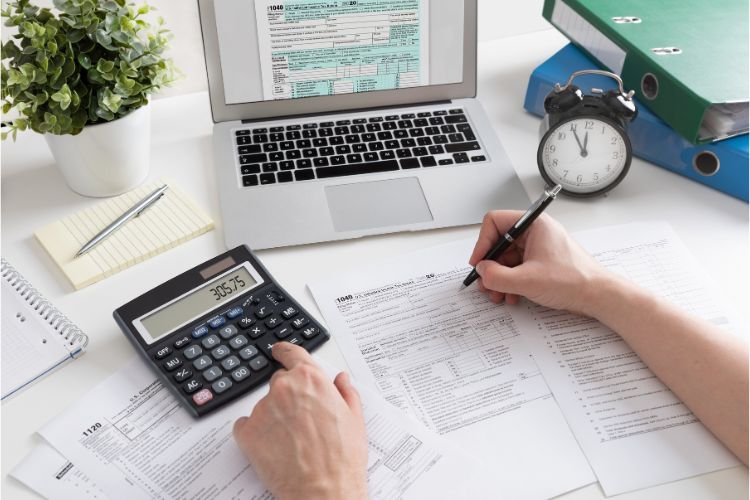

Tax filing looks simple until real life details show up multiple T4s, side income, rental income, moving provinces, selling investments or missing slips. In those moments, a tax return service canada is basically a guided process that helps you gather the right information, enter it correctly and file in a way the CRA can assess smoothly. The service typically includes document collection support, income review, credit or deduction checks, electronic filing where eligible and basic guidance on what happens after you file (refund, balance owing or CRA follow-up).
Our goal is to keep the experience practical. We ask the right questions early, organize records clearly and explain outcomes in plain language. This helps reduce surprises like filing late, claiming without proof or missing slips.
Why are tax returns important for individuals and businesses?
For individuals, filing your tax return is not only about paying tax. It is also how the CRA determines eligibility for many benefits and credits and confirms your income for government programs. In many cases, people file even when they expect no tax owing because they want to claim a refund, access benefit payments or keep benefits active. The CRA specifically notes that filing is how you can begin or continue receiving certain credits and benefits such as the GST/HST credit and Canada Child Benefit.
For businesses, tax returns are essential for staying compliant, avoiding penalties and maintaining financial credibility. Lenders and investors often ask for filed returns and Notices of Assessment to verify income. Also, business decisions like hiring, equipment purchases or expansion are easier to plan when your tax filing and year-end numbers are accurate and up to date.
How does the Canada Revenue Agency (CRA) use your tax return?
The CRA uses your tax return to calculate your final tax position for the year: how much tax you owe versus how much you already paid through payroll deductions or instalments. After the CRA receives your return, they issue a Notice of Assessment (NOA), which summarizes the calculated results of your return. People often use this notice as proof that they filed taxes and it serves as a key reference for refunds, balances owing, contribution limits and benefit eligibility.
Example: if you worked a salaried job and tax was deducted from each paycheck, your return reconciles your year. If you overpaid through payroll deductions, you may receive a refund. If you are under paid (common when you have multiple jobs, self-employment income or investment income without enough withholding), you may have a balance owing.
Who is required to file a tax return in Canada and do non-residents need to file?
In simple terms, you generally file a tax return if the CRA asks you to file, if you owe tax, if you want a refund or if you want to start or continue benefits and credits.
Non-residents: Whether a non-resident must file depends on their Canadian-source income and how it is taxed. The CRA explains that non-residents pay tax on Canadian-source income and the requirement to file depends on the type of income received. This is one of the most common areas where professional help matters because residency status and income type change what forms apply and how the CRA expects the return to be prepared.
What key factors determine how your tax return is prepared?
A good tax return service doesn’t just enter numbers. It checks the factors that commonly change outcomes and reduce mistakes:
- Residency status and province/territory of residence (these affect credits and tax calculations)
- Income types (employment slips, self-employment, rental income, investments)
- Deductions and credits you may qualify for (RRSP contributions, eligible expenses, tuition, caregiver amounts, etc.)
- Missing slips or mismatched information (a common trigger for CRA follow-ups)
- Business structure (sole proprietor vs corporation each has different filing rules and timelines)
Practical comparison: A salaried employee might file mainly from T4 slips and standard credits, while a self employed consultant often needs a clearer income/expense breakdown and the CRA may scrutinize recordkeeping more closely. A corporation adds separate timelines, payment dates and corporate filing requirements.
What are the general tax return deadlines in Canada?
- Most individuals: filing due April 30 for the tax year referenced by the CRA’s important dates page.
- Self-employed (and spouse/common-law partner of a self-employed person): filing due June 15, but any balance owing is generally due April 30 to avoid interest and penalties.
- Corporations (T2): generally must file within six months after the end of each fiscal year.
- Corporate payment deadline: taxes are generally due 2 months after year-end, and certain CCPCs may be eligible for a 3-month balance-due day.
Real-life timeline example: If your corporation’s yearend is December 31, the T2 return is generally due by June 30 (six months later), but the payment could be due as early as the end of February (two months after year-end), depending on your situation.
Why Choose Brownboys Accounting for Tax Return Services in Canada?
Brownboys Accounting provides professional tax return services with a strong focus on accuracy, compliance and clarity. The firm supports individuals, self-employed professionals and businesses by simplifying complex tax requirements and ensuring alignment with CRA regulations. Clients benefit from structured guidance, organized documentation and dependable filing support tailored to their specific needs.
Canadian tax obligations can become complex as personal or business circumstances change. A professional tax return service in Canada helps ensure accurate filing, timely submission and peace of mind. Consulting a qualified tax professional like Brownboys Accounting allows individuals and businesses to manage tax responsibilities confidently while focusing on long-term financial stability and growth.
Frequently Asked Questions about tax return service canada
1) Do I still need to file a corporate tax return (T2) if my corporation had no income this year?
Yes most incorporated businesses still need to file a T2 even if activity was minimal or zero. Filing keeps your corporation compliant and avoids avoidable CRA notices. We help you file correctly based on your fiscal year and actual activity so you don’t over-report or miss required details.
2) How do I know my corporation’s fiscal year-end and why does it matter for filing in Canada?
Your fiscal year-end is the 12-month period your corporation uses for reporting and it decides your filing timeline. Many business owners confuse calendar year with fiscal year, which can cause deadline issues. We confirm your year-end, align the numbers properly and make sure the return is filed for the correct period.
3) What’s the difference between corporate tax filing (T2) and personal tax filing (T1) for business owners?
A corporation’s taxes (T2) are separate from your personal return (T1), even if you own 100% of the business. Owner salary/dividends affect your personal filing, while business profit and expenses belong in the corporate return. We help Calgary business owners keep both sides clean so nothing gets mixed.
4) What if I missed my corporate tax deadline—can Brownboys Accounting still help?
Yes. Late corporate filings can lead to penalties and interest, so it is best to act quickly rather than wait. We will review what is pending, organize what is needed and help you file as soon as possible with clear next steps. If CRA has already contacted you, we can guide you on what to respond with.
5) Can you handle corporate tax returns for small corporations with GST/HST, payroll or contractor payments?
Yes, those items often change what needs to be reviewed before filing. GST/HST, payroll remittances, and contractor slips must match your records to reduce CRA mismatches. We will verify the correct details in the corporate tax return and highlight any needed corrections before submission.